Save time, use our online enrolment!
Students with some Spanish knowledge can be integrated in our Spanish courses on any Monday of the year. Just beginners have to adapt to our official starting dates every fortnight.
Students with some Spanish knowledge can be integrated in our Spanish courses on any Monday of the year. Just beginners have to adapt to our official starting dates every fortnight.
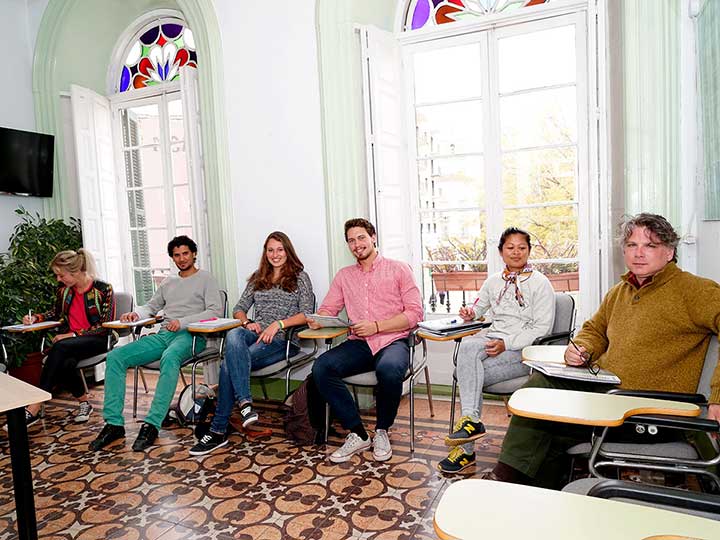
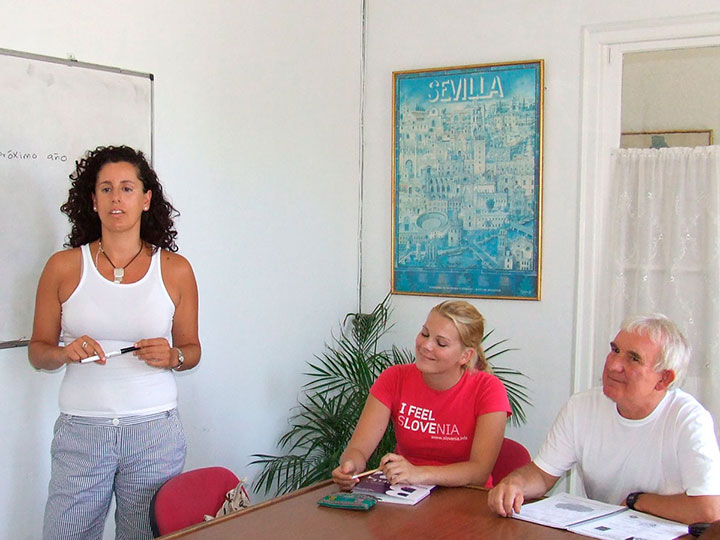
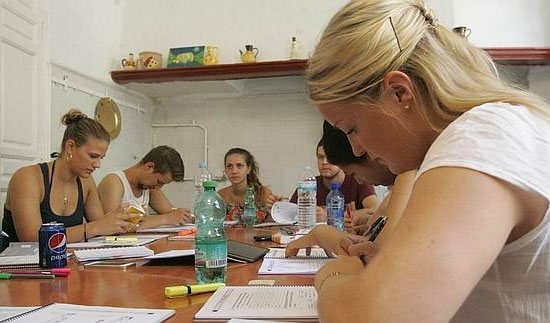
Each course has a minimum duration of 1 week from Monday to Friday with 4 lessons of 50 minutes each per day. We establish different time tables, depending on the number of students per class: or from 10:00 a.m. to 14:00 p.m. or from 9:00 a.m to 12:50 p.m and 13:00 p.m. to 17:00 pm.
You can start on any Monday integrating in a level that has already been initiated before, just beginners should keep to the official starting dates of the Spanish courses in Malaga calendar.
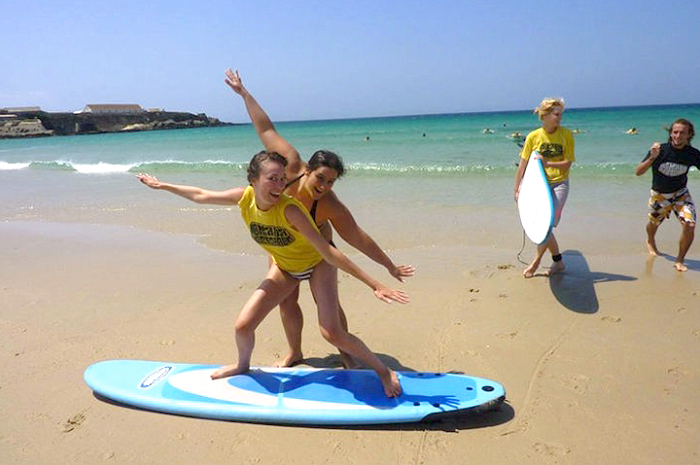
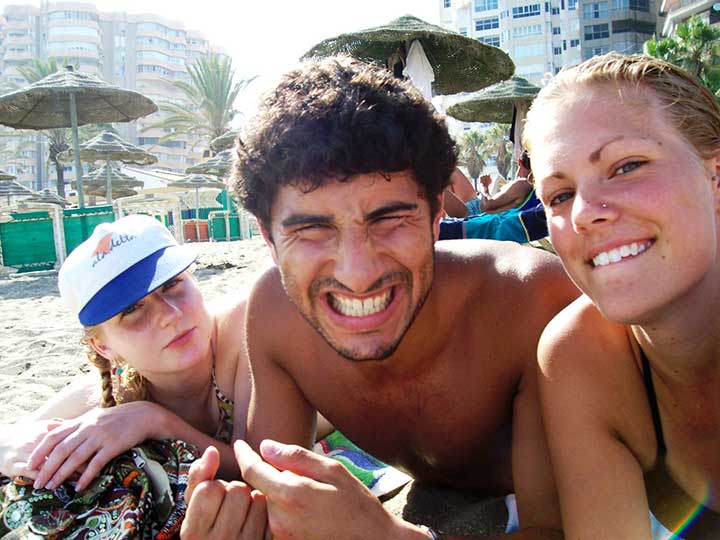
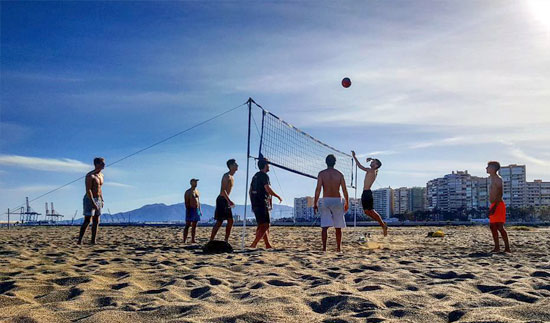
Malaga is a Mediterranean city with a warm climate and excellent conditions for outdoor activities all year, such as golf, tennis, beach volleyball, horse-riding and all types of water sports.
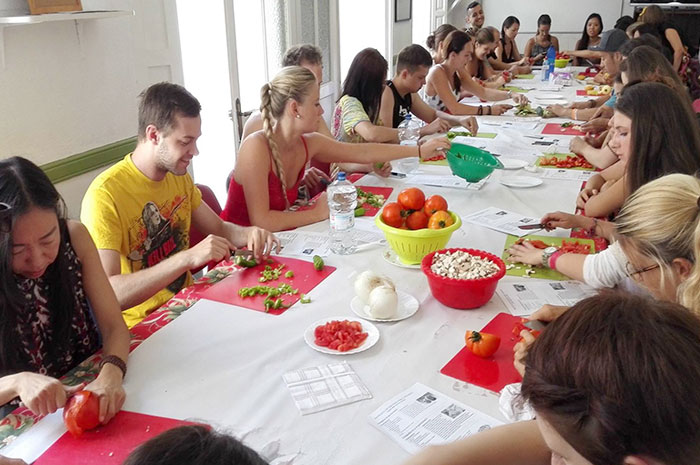
In one four-week-session we also schedule a practical cooking class where you learn to prepare some typically Spanish dishes of Andalusian and Spanish gastronomy.

For the week-ends, we suggest guided excursions to places of cultural and tourist interest in Andalusia: Granada, Córdoba, Sevilla, White Villages, El Chorro (mountain lake), Ronda, Marbella, Gibraltar, etc.


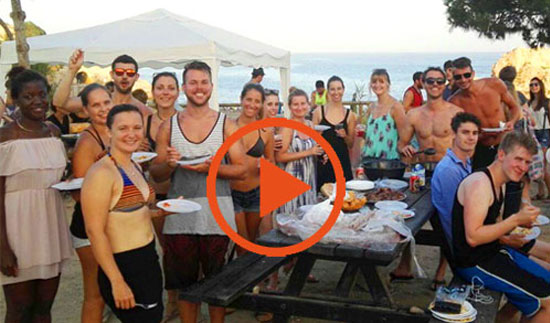
I love Málaga! The school is really good, the teachers are nice and we´re in the middle of the center near the beach. Made some great friends-party all night.